0%

Reliable electricity remains a daily challenge for millions of households, farms, clinics, and small businesses. The World Bank’s Tracking SDG 7: The Energy Progress Report 2024 estimated that 685 million people lacked electricity access in 2022. For many communities, an Off-Grid Solar Power System can provide practical energy without waiting for grid expansion.

However, choosing the right system requires more than comparing panel wattage. Buyers should examine battery chemistry, usable storage, inverter quality, weather resistance, replacement parts, and local technical support. A rural clinic may need stable refrigeration overnight, while a household may prioritize lighting, phone charging, and a small television. These loads are different. So are the risks.

The International Energy Agency identifies distributed renewables as an important pathway for improving electricity access. The International Renewable Energy Agency reported global solar capacity above 1.4 terawatts by the end of 2023, showing the sector’s scale and maturity. Meanwhile, GOGLA market reports continue tracking strong demand for off-grid solar appliances and systems across Africa and Asia. These figures are useful, but they do not guarantee every product will perform well. No ranking is perfect. Real performance depends on sunlight, installation quality, battery care, and after-sales service. This guide compares leading system types for global buyers, using technical evidence, field practicality, and total ownership cost rather than marketing claims alone. That approach may sound less exciting. It is usually safer.
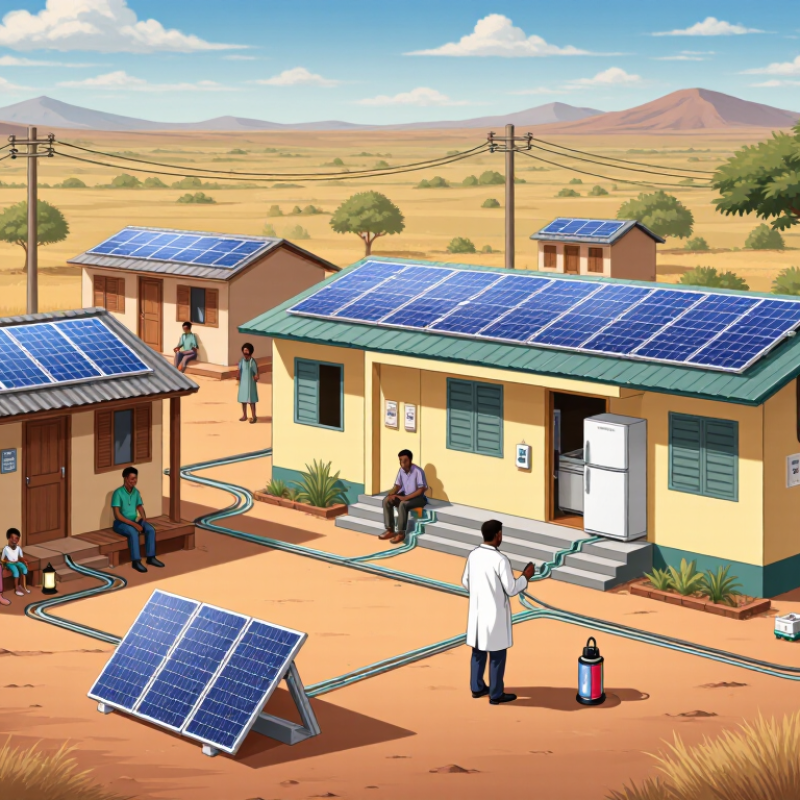
Top Off Grid Solar Power Systems for Global Buyers

Understanding Off-Grid Solar Power Systems and Their Main Components

An off-grid solar power system creates electricity without relying on a utility grid. Solar panels produce direct current when sunlight reaches their cells. A charge controller regulates this energy before it enters the battery bank. This protects batteries from overcharging and excessive discharge. The inverter then converts stored direct current into alternating current for household appliances.

Each component has a specific role. Panels should match the site’s sunlight, temperature, roof angle, and seasonal weather. Batteries store energy for nighttime use and cloudy periods. Their usable capacity matters more than the advertised capacity. Inverters must handle both continuous loads and short startup surges from pumps or refrigerators. Fuses, breakers, grounding, and surge protection reduce electrical risks when installed correctly.

Sizing requires honest energy records. A small cabin using lights, a laptop, and a refrigerator differs greatly from a home using heating equipment. Measure daily watt-hours, then account for cloudy days and system losses. In practice, sizing is rarely perfect. I would rather allow sensible reserve capacity than promise uninterrupted power from a minimal design. Buyers should also check battery temperature limits, maintenance needs, replacement access, and local electrical requirements. Remote systems need clear monitoring, because a low battery warning is more useful before the lights go out.

Top Off-Grid Solar Power Systems for Global Buyers

Understanding Off-Grid Solar Power Systems and Their Main Components

The chart shows indicative photovoltaic array capacity and nominal battery storage for small, medium, and large off-grid systems. The sizing uses a practical planning model: 4 peak-sun-hours per day, 80% overall PV system efficiency, one day of energy autonomy, and an 80% maximum battery depth of discharge. Actual system design should also consider local solar irradiance, seasonal variation, appliance surge power, temperature, and backup generation.

Comparing Solar System Types for Different Global Applications

Off-grid solar systems should be matched to local demand, not advertised capacity. The IEA reported that about 750 million people lacked electricity access in 2022. For a rural household, a solar home system can power lights, phone charging, and a small fan. Its low-voltage DC design reduces conversion losses and simplifies maintenance. However, it cannot reliably run pumps or refrigeration without larger batteries and stronger inverters.

Remote clinics, farms, and construction sites usually need an AC hybrid system. Solar panels, batteries, and a backup generator can support refrigerators, medical equipment, or water pumps. A practical design may include 5–20 kWh of daily storage, depending on weather and load patterns. In weak grids, this arrangement can reduce fuel use, but battery replacement costs are often underestimated. That deserves more attention.

For villages, islands, and industrial compounds, a solar microgrid offers better scalability. It can combine multiple inverters, shared storage, and smart load controls. IRENA’s Renewable Capacity Statistics 2024 recorded 473 GW of new renewable capacity worldwide in 2023, with solar providing roughly three quarters of that growth. Yet global growth does not guarantee local suitability. Dust, salt air, seasonal clouds, and limited technical skills can change the result. A containerized system may look efficient on paper, but transport access and spare-parts planning can decide whether it works after one difficult season.

Selecting Panels, Batteries, Inverters, and Mounting Equipment

Choosing an off-grid solar system requires more than comparing panel wattage. Start with daily energy use, including pumps, refrigerators, lighting, and seasonal tools. Monocrystalline panels suit limited roof space, while larger ground arrays may reduce installation pressure. Check performance in heat, weak sunlight, and partial shade. A small shadow can affect a whole string.

Tips: Size batteries for overnight demand and several cloudy days. Lithium iron phosphate batteries offer long cycle life and stable operation. However, they still need ventilation, temperature protection, and correct charging settings. Select a pure sine wave inverter for sensitive electronics. Its continuous rating should exceed normal demand, while surge capacity must handle motors. Oversizing everything wastes money, but undersizing creates frequent shutdowns.

Mounting equipment deserves equal attention. Use corrosion-resistant rails, sealed fasteners, and a tilt angle suited to the site’s latitude and weather. Roof systems need structural checks, especially under snow or strong wind. Ground mounts require firm foundations and clear drainage. Match cable size to distance, current, and voltage drop. Include suitable disconnects, fuses, grounding, and certified installation practices. Local electrical rules differ, so verify them before purchasing. One imperfect assumption can become an expensive repair. Recheck the load estimate after living with the system for a season.

Planning System Capacity, Installation Conditions, and Energy Storage

Top Off Grid Solar Power Systems for Global Buyers

Planning System Capacity, Installation Conditions, and Energy Storage

Choosing an off-grid solar system starts with measured demand, not panel area. List every appliance, its wattage, operating hours, and starting surge. Refrigerators, pumps, and compressors may briefly need twice their running power. Build a daily energy estimate in watt-hours, then add a realistic loss allowance. Ten to twenty percent is common, but dusty panels and hot electronics can demand more. A neat spreadsheet can still mislead.

Installation conditions shape output and reliability. Check seasonal shade, roof strength, wind exposure, cable distance, and access for cleaning. Panels need ventilation behind them; trapped heat reduces performance. In humid or salty locations, use corrosion-resistant enclosures and protected connectors. Mounting hardware must match local wind and structural requirements. Local electrical rules and permitting procedures also matter, especially for grounding and disconnects. Do not treat a sunny photograph as a site survey.

Energy storage should match both autonomy and battery chemistry. Divide required backup energy by usable capacity, not the label rating. Include depth-of-discharge limits, inverter losses, and cold-weather derating. A two-day reserve may suit essential loads, while heavy heating can make it impractical. Keep batteries in a dry, ventilated, temperature-controlled space when required. Oversizing storage raises cost and material use; undersizing causes frequent outages. I would revisit the load list after one month of real readings. Early assumptions are often wrong. Good design leaves room for maintenance, future loads, and human habits.

Evaluating Safety, Maintenance, Costs, and Long-Term Performance

Top Off Grid Solar Power Systems for Global Buyers

An off-grid solar system should be judged beyond its purchase price. Safety starts with design. Proper fuses, grounding, disconnects, and battery ventilation reduce fire and shock risks. Installers should follow applicable electrical standards and provide clear shutdown labels. The International Energy Agency notes that remote energy systems often face higher installation and service costs than grid-connected projects. Dust, salt air, heat, and weak local training can quietly increase those risks.

Maintenance is usually simple, but not always easy. Inspect cable connections, panel surfaces, charge controllers, and battery enclosures at least twice yearly. In dry regions, dust can visibly cover panels within weeks. The National Renewable Energy Laboratory’s degradation research reports a median photovoltaic output decline of about 0.5% annually. That sounds minor. Over twenty years, it matters. Battery replacement also deserves a realistic budget, because temperature, cycling depth, and ventilation strongly affect service life.

Cost comparisons need caution.

IRENA’s Renewable Power Generation Costs in 2023 reported a global weighted average utility-scale solar cost of about $0.044 per kWh. Lazard’s 2024 analysis placed utility-scale solar roughly between $0.029 and $0.092 per kWh. These figures do not represent complete off-grid systems. Storage, transport, backup capacity, and local labor can change the calculation sharply. A spreadsheet may look precise, yet it can ignore one expensive battery shipment. Long-term buyers should request component warranties, maintenance procedures, spare-parts access, and performance records from comparable climates. Some assumptions will still be wrong. Recheck them yearly.

FAQS

What can a small off-grid solar home system power?

It can run lights, phone charging, and a small fan. Its low-voltage design simplifies maintenance. It may not reliably power pumps or refrigerators.

When is an AC hybrid solar system more suitable?

It suits remote clinics, farms, and construction sites. Solar panels, batteries, and a backup generator can support pumps and medical refrigerators. Daily storage may range from 5 to 20 kWh.

What should users consider before choosing storage capacity?

Size batteries for overnight use and several cloudy days. Include seasonal changes in demand. Battery replacement costs are easy to underestimate.

When does a solar microgrid make sense?

A microgrid suits villages, islands, and industrial compounds. It can combine shared storage, multiple inverters, and smart load controls. It offers room for future expansion.

How do local conditions affect system performance?

Dust can cover panels like a thin blanket. Salt air can accelerate corrosion. Seasonal clouds, heat, and limited technical skills may reduce reliability.

How should solar panels be selected?

Monocrystalline panels work well where roof space is limited. Ground arrays may provide more installation flexibility. Check performance during heat, weak sunlight, and partial shade.

What inverter features are important?

Choose a pure sine wave inverter for sensitive electronics. Its continuous rating should exceed normal demand. Surge capacity must handle motor startup.

What installation details deserve careful attention?

Use corrosion-resistant rails and sealed fasteners. Check roof strength under snow or strong wind. Ground mounts need firm foundations and clear drainage. Verify local electrical requirements before purchasing.

How can poor system sizing be avoided?

List pumps, refrigerators, lighting, and seasonal tools. Match cable size to distance, current, and voltage drop. Recheck the estimate after one season of real use. One assumption may still fail.

Conclusion

An Off-Grid Solar Power System provides reliable electricity in locations without access to a public power network. This article explains the main components, including solar panels, batteries, inverters, charge controllers, and mounting equipment, while comparing suitable system types for homes, farms, remote facilities, and other global applications. It also outlines how to select equipment according to energy demand, climate, available space, and daily usage patterns.

Effective planning is essential for dependable performance. Readers will learn how to estimate system capacity, prepare for installation conditions, size energy storage, and balance initial costs with long-term value. The discussion also covers electrical safety, routine maintenance, weather protection, battery management, and equipment durability. By evaluating efficiency, reliability, lifecycle expenses, and future energy needs, buyers can make informed decisions and develop a practical solar solution that supports stable power generation in diverse environments.

Ethan

Ethan

Ethan is a dedicated marketing professional with a strong understanding of the company’s products, customers, and industry landscape. Through thoughtful research and clear communication, he helps transform complex product features into practical insights that are easy for readers to understand and......