Blog
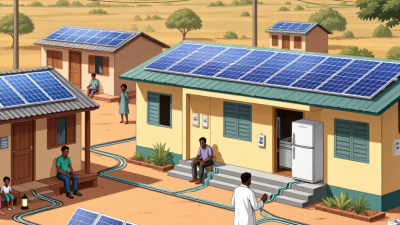
Top Off Grid Solar Power Systems for Global Buyers
Reliable electricity remains a daily challenge for millions of households, farms, clinics, and small businesses. The World Bank’s Tracking SDG 7: The Energy Progress Report 2024 estimated that 685 million people lacked electricity access in 2022. For many communities, an Off-Grid Solar Power System can provide practical energy without waiting for grid expansion.
However, choosing the right system requires more than comparing panel wattage. Buyers should examine battery chemistry, usable storage, inverter quality, weather resistance, replacement parts, and local technical support. A rural clinic may need stable refrigeration overnight, while a household may prioritize lighting, phone charging, and a small television. These loads are different. So are the risks.
The International Energy Agency identifies distributed renewables as an important pathway for improving electricity access. The International Renewable Energy Agency reported global solar capacity above 1.4 terawatts by the end of 2023, showing the sector’s scale and maturity. Meanwhile, GOGLA market reports continue tracking strong demand for off-grid solar appliances and systems across Africa and Asia. These figures are useful, but they do not guarantee every product will perform well. No ranking is perfect. Real performance depends on sunlight, installation quality, battery care, and after-sales service. This guide compares leading system types for global buyers, using technical evidence, field practicality, and total ownership cost rather than marketing claims alone. That approach may sound less exciting. It is usually safer.
Read more »
 By:Ethan
- October 21, 2026
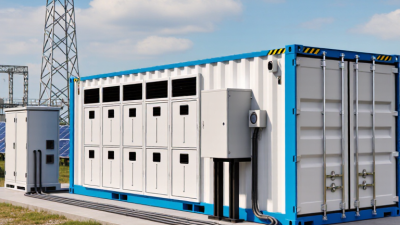
China Best Commercial ESS Container Supplier?
China Best Commercial ESS Container Supplier? This question deserves more than a factory ranking. It requires evidence from design, manufacturing, testing, deployment, and after-sales service. A reliable Commercial ESS Container supplier should explain its battery chemistry, thermal management, fire protection, energy management system, and operating limits clearly.
Dr. Imre Gyuk, a respected energy-storage specialist and former U.S. Department of Energy program manager, said, “Energy storage is the key to unlocking the full potential of renewable energy.” His statement reflects the central role of containerized storage. A strong system can smooth solar output, reduce peak-demand charges, support microgrids, and provide backup power during interruptions. Yet, performance depends on site conditions. Temperature, humidity, grid rules, maintenance access, and load patterns all matter.
China has become a major manufacturing base for Commercial ESS Container systems. However, low pricing alone proves little. Buyers should examine cell traceability, battery warranty terms, protection coordination, capacity testing, software visibility, and documented project experience. Ask for operating data from comparable climates and duty cycles. See the installation. Speak with customers.
Details matter. A well-designed container may include liquid cooling, gas detection, emergency ventilation, and separated electrical compartments. These features require correct integration, not just attractive specifications. No supplier is perfect. Some published capacity figures may not reflect usable energy after reserve limits and degradation. That difference deserves careful review.
This guide compares leading Chinese suppliers through practical criteria. It considers technical capability, certifications, production quality, delivery reliability, service response, and long-term value. The best choice is not always the cheapest one. It is the supplier that can prove safe, stable, and maintainable performance.
Read more »
By:Ethan
- October 21, 2026
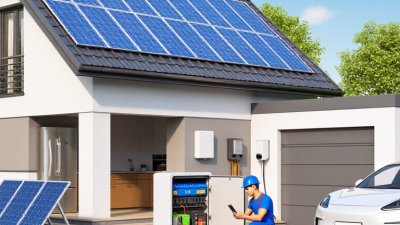
7 Tips for Choosing a Residential Hybrid Solar System
A Residential Hybrid Solar System can do more than reduce daytime electricity purchases. It can store surplus solar power, support essential circuits, and provide resilience during outages, depending on local rules and equipment design. Yet choosing one is not simply a matter of comparing battery capacity or panel wattage. A system that looks impressive on a quotation may perform poorly on a shaded roof, in a humid garage, or in a home with heavy evening loads. Small details matter.
This guide presents seven practical tips for evaluating a Residential Hybrid Solar System with greater confidence. It considers usable battery capacity, inverter compatibility, roof conditions, backup priorities, monitoring tools, installation quality, warranties, and future expansion. These points reflect established solar engineering practices and questions experienced installers ask before recommending equipment. Manufacturer documentation and qualified local assessments should still guide the final decision. Numbers on a brochure do not replace a site inspection.
Real households rarely use energy evenly. An oven may start while an electric vehicle charges, or a winter storm may leave the battery below its preferred reserve. That is where careful sizing becomes important. Fit matters. Some recommendations may need adjustment, and no system is perfect for every property. A thoughtful choice balances safety, performance, maintenance, budget, and long-term reliability. The aim is not to promise independence, but to help homeowners make a sound, evidence-based investment.
Read more »
By:Ethan
- October 21, 2026